

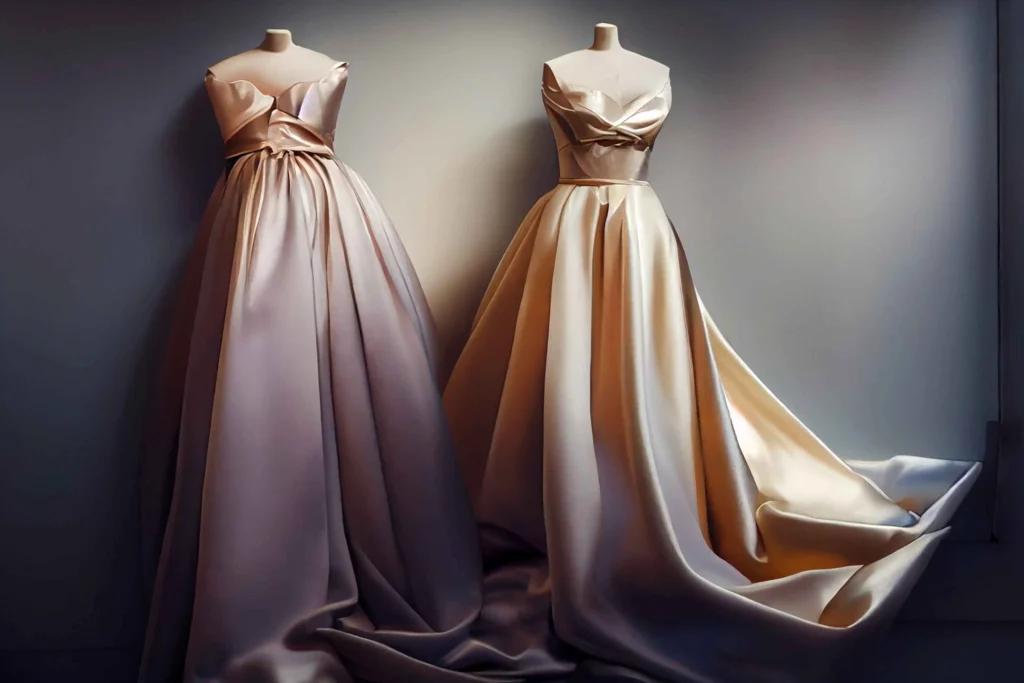
People often use the words dress and frock as if they mean the same thing. While they look similar at first glance, their meaning, usage, and context are not always identical. The difference depends on culture, age group, fashion history, and even how brands describe their clothing.
So, what is the difference between a dress and a frock? In simple terms, a dress is a broad, modern fashion term for one-piece garments worn by women of all ages, while a frock is a more traditional and often casual term, commonly linked to children’s wear or modest, flowy styles. Knowing the difference helps shoppers choose better and brands communicate clearly.
What Is a Dress?
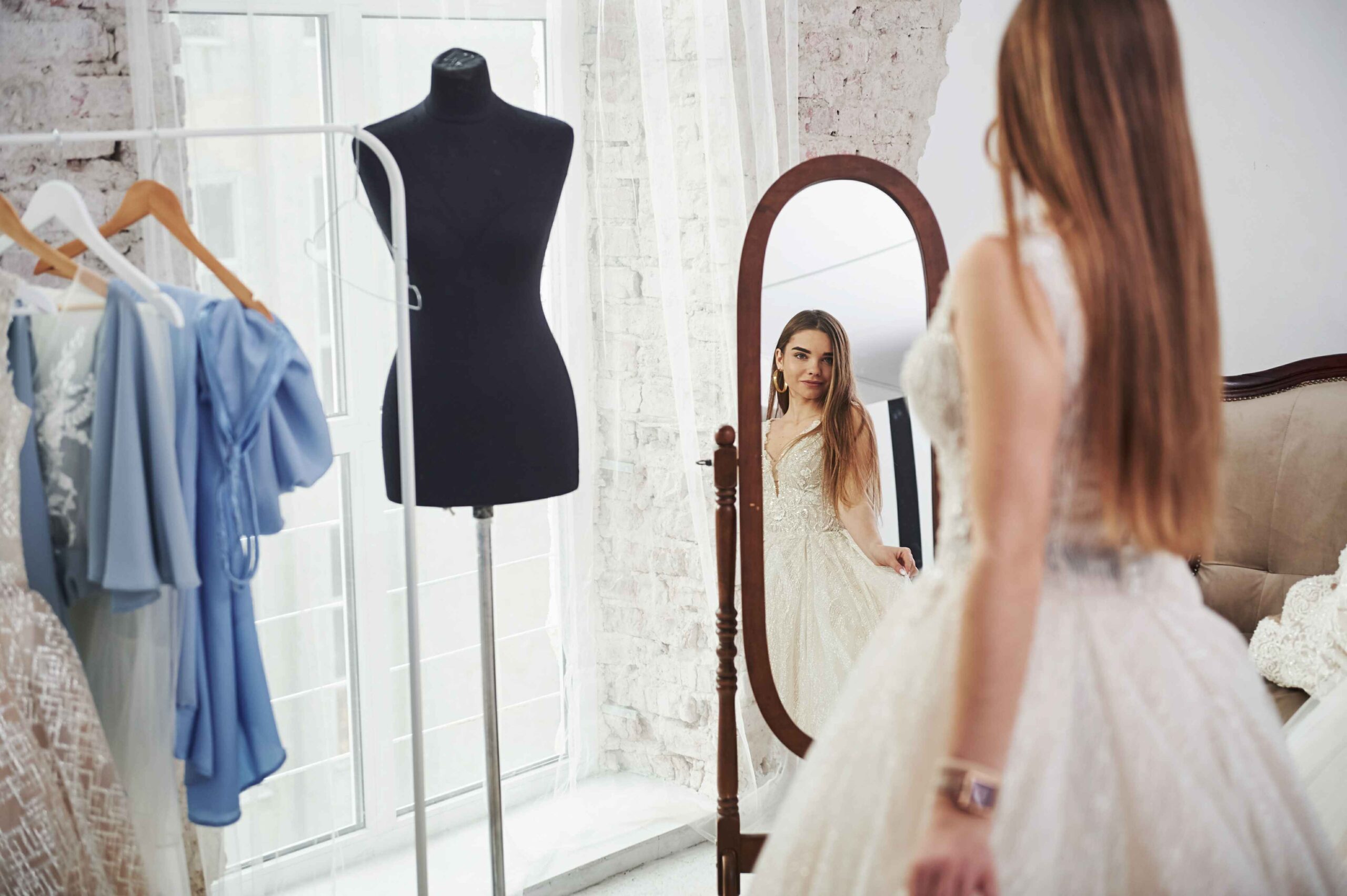
A dress is a one-piece garment that covers the upper body and extends down the legs. It can be short, long, fitted, loose, formal, or casual. In modern fashion, the word “dress” is a general term that includes many styles, fabrics, and purposes.
Dresses are worn across cultures and age groups. Adults wear dresses to work, weddings, parties, and daily outings. Designers use the word dress to describe everything from simple cotton outfits to luxury evening wear.
Common Features of a Dress
A dress usually has a structured cut. It may be sleeveless, long-sleeved, or strapless. It often focuses on fit, shape, and styling details.
Common features include:
- Defined waist or tailored silhouette
- Modern cuts like bodycon, A-line, or wrap
- Wide fabric choices like silk, chiffon, denim, or satin
- Use in casual, semi-formal, and formal settings
In online stores, you will often see sections labeled “women’s dresses.” This includes maxi dresses, midi dresses, party dresses, and workwear dresses.
Dress in Modern Fashion Language
Today, the term dress is widely accepted across regions. In the UK, US, and Europe, it is the default word used in fashion retail. Even when designs look traditional, brands still call them dresses for clarity and search visibility.
This wide usage is why many people confuse dress and frock as the same thing.
What Is a Frock?
To understand the difference clearly, you must know what a frock is and where the term comes from.
The word frock has older roots. Historically, it referred to loose garments worn for comfort and ease. Over time, it became linked with modest, flowing outfits, especially for children and young girls.
In many regions, especially South Asia and parts of the UK, a frock still means a loose, knee-length or long dress with a soft, graceful shape.
Key Traits of a Frock
A frock is usually:
- Loose-fitting
- Comfortable and breathable
- Designed for movement and daily wear
- Associated with children or modest styles
Frocks often feature gentle design elements such as gathers, pleats, frills, or embroidery. A classic example is a frock and frill dress, which focuses more on charm and comfort than sharp tailoring.
Frock in Modern Retail
In modern fashion brands like Zuhoor, the word frock is often used to highlight elegance, tradition, and femininity. A product like Embroidered Elegance Lavender Frock signals softness, craftsmanship, and cultural grace. This type of naming helps buyers understand the style before even seeing the product.
So while a frock is technically a dress, not every dress fits the idea of a frock.
Dress vs Frock: Cultural and Regional Meaning
In the UK, older generations often use “frock” casually, while younger shoppers prefer “dress.” In South Asia, “frock” is still a common term for girls’ outfits, while adult clothing leans toward dress or kurti.
Fashion language evolves, but cultural habits stay strong.
This context is key when explaining what is the difference between a dress and a frock to global audiences.
Dress vs Frock: Comparison Table
| Feature | Dress | Frock |
| Meaning | Broad modern term | Traditional or casual term |
| Age Group | All ages | Mostly children or modest wear |
| Fit | Structured or fitted | Loose and flowy |
| Usage | Casual to formal | Casual and everyday |
| Style Focus | Trend and shape | Comfort and elegance |
| Retail Use | Global fashion term | Cultural or niche use |
Is a Frock a Type of Dress?
Yes, a frock is a type of dress, but with limits.
All frocks fall under the dress category, but not all dresses can be called frocks. A fitted evening gown or office sheath dress would never be called a frock. A loose cotton outfit with soft pleats might.
This distinction matters in fashion writing, SEO, and product labeling. Clear naming improves user trust and search relevance.
Dress Frock Design: How Styles Differ
Design plays a major role in how people label clothing.
A dress frock design often includes:
- Soft fabrics
- Rounded necklines
- Decorative embroidery
- Comfort-first structure
In contrast, dresses may focus on:
- Sharp cuts
- Trend-driven shapes
- Bold patterns or minimal looks
Design intent shapes the name.
When shoppers search for “dress and frock,” they usually want to understand which style suits their needs. Clear descriptions reduce returns and confusion.
Which Term Should You Use?
Choosing the right word depends on your audience.
Use dress when:
- Targeting adult women
- Selling modern or formal styles
- Writing for global audiences
Use frock when:
- Selling children’s clothing
- Offering traditional or modest styles
- Highlighting comfort and grace
Brands like Zuhoor use both terms carefully to match style intent and user expectations.
Common Misconceptions
Frocks are only for kids
This is not true. Many frocks are designed for adult women and focus on comfort, modesty, and graceful style.
Modern fashion brands offer frocks with elegant cuts, embroidery, and fabrics suitable for everyday wear.
Dresses are always formal
This is a common misunderstanding. Many dresses are casual, loose, and made for daily use.
Cotton dresses, summer dresses, and relaxed-fit styles are worn for comfort, not formal events.
Dress and frock mean the same thing everywhere
This is not accurate. The meaning of these terms changes by region and culture.
In some places, frocks are used more for traditional or children’s wear, while dress is more common globally.
Why This Difference Matters for Buyers and Brands
Understanding what is the difference between a dress and a frock improves shopping confidence. Buyers know what fits and feels to expect. Brands reduce mismatched expectations.
- what is a frock
- dress and frock
- frock and frill dress
This builds topical authority and trust.
Conclusion
The difference between a dress and a frock is subtle but meaningful. A dress is a broad, modern term covering many styles, fits, and occasions. A frock is a softer, more traditional type of dress, often linked with comfort, modesty, and graceful design.
Knowing what is the difference between a dress and a frock helps shoppers choose wisely and helps brands communicate clearly.Fashion language should guide, not confuse, so buyers know exactly what to expect.When used correctly, both terms serve their purpose beautifully. Contact us to get expert help and find the style that suits you best.
FAQs
What is the difference between a dress and a frock in simple terms?
A dress is a general fashion term. A frock is a loose, traditional type of dress.
Is a frock considered formal?
Most frocks are casual or semi-casual, not formal.
Can adults wear frocks?
Yes. Many frocks are designed for adult women.
Why do some brands still use the word frock?
It reflects tradition, comfort, and cultural style.
Are dresses and frocks the same in online shopping?
They may look similar, but descriptions and fit often differ.