
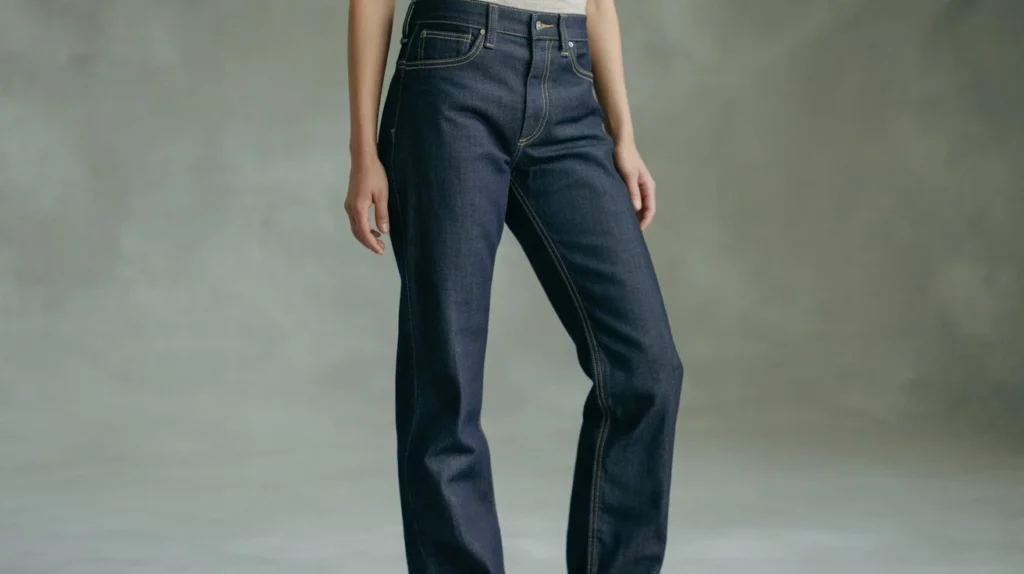
The history of women wearing pants is longer and more fascinating than most people realize. While pants were once considered exclusively male attire, women have found practical and symbolic reasons to adopt them throughout history. From rural workwear to high fashion, trousers gradually became a symbol of freedom and equality.
So, when did women start wearing pants? The answer is not a single date but a gradual shift over centuries. Early examples appear in ancient civilizations, while widespread social acceptance emerged in the 20th century. Understanding this timeline reveals both cultural norms and practical needs that shaped women’s fashion today.
Early Instances of Women Wearing Pants
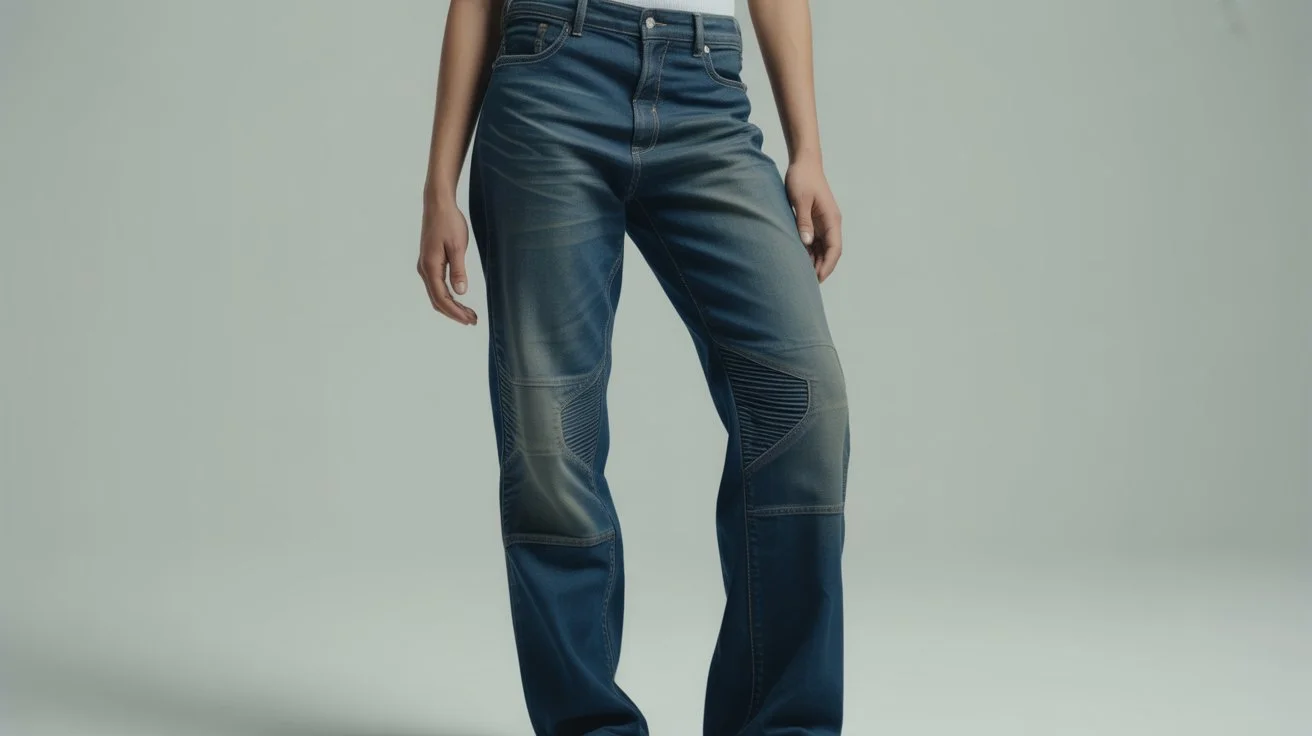
Though often considered a modern trend, women wearing pants dates back thousands of years. Certain nomadic tribes and warrior cultures, such as the Scythians, dressed women in trousers for mobility and practicality. Pants allowed women to ride horses, hunt, and perform daily labor efficiently, showcasing functionality over fashion.
Even in medieval Europe, peasants and working women occasionally wore skirt alternatives resembling trousers for manual labor. These early instances were far from mainstream but planted the seeds for later acceptance.
19th Century Europe and America
The 19th century marked a turning point. In Europe and America, women’s clothing was rigid, emphasizing long skirts and corsets. Practicality slowly challenged tradition. Farm women and factory workers often wore loose-fitting trousers under skirts, especially during manual labor, to protect modesty while moving freely.
A significant milestone came with Amelia Bloomer in the 1850s. She promoted the “bloomer costume,” featuring knee-length pants gathered at the ankles under a tunic. Although ridiculed at the time, this outfit symbolized women challenging restrictive fashion norms. Ladies in pants slowly became a topic of debate in newspapers and social discussions.
By the late 1800s, some women began adopting pant styles for bicycling. Cycling required mobility, making long skirts impractical. These moments reflected the early intersection of function and fashion in women’s trousers.
Early 20th Century Shifts
The early 1900s saw social and cultural shifts that further encouraged women in pants. World events, including World War I, forced women into roles traditionally held by men. Factories, transportation, and even agricultural work required practical clothing, and trousers offered mobility and safety.
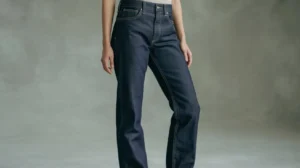
Fashion also began embracing pants. Designers experimented with silhouettes that balanced femininity and utility. Hollywood icons such as Marlene Dietrich and Katharine Hepburn popularized pants in films, showing that women in pants could be stylish and sophisticated. The era of Embroidered Edge Denim also began influencing modern fashion trends, with decorative stitching offering women both practicality and aesthetic appeal. Zuhoor contemporary collection builds on this legacy, merging style and functionality seamlessly.
At the same time, resistance remained. Many countries had laws or social codes that discouraged women from wearing pants in public. These barriers slowly faded, but societal attitudes remained a challenge.
Mid-20th Century Adoption
By the 1940s, ladies in pants became more common, largely due to World War II. Women joined the workforce in unprecedented numbers, and pants were practical for factory, military, and transportation jobs. The term “Rosie the Riveter” became synonymous with strong, independent women wearing trousers as part of their uniforms.
Post-war, pants continued to gain social acceptance, although traditionalists preferred skirts for formal occasions. The 1950s saw actresses and public figures wearing pants publicly, subtly challenging dress codes. Hollywood stars like Audrey Hepburn and Grace Kelly showcased pants in casual and evening settings, merging glamour with practicality.
During this period, clothing stores began stocking trousers for women, signaling a shift from exceptional use to mainstream availability. Workplace dress codes, however, remained slow to adapt fully, often requiring skirts in professional settings.
Late 20th Century: Pants as Everyday Wear
The 1960s and 1970s marked a breakthrough. Social movements advocating gender equality, including feminism, directly challenged restrictive clothing norms. Pants became a symbol of independence and empowerment. Schools and workplaces gradually revised dress codes, and pants were no longer controversial.
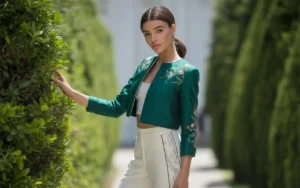
Fashion brands designed pantsuits for business women, combining professionalism with comfort. Today, pantsuits symbolize authority, and trousers are accepted in nearly every professional and casual context. Women in pants became a normalized sight, from boardrooms to casual outings, reflecting broader social progress.
Popular culture and media reinforced this change. Magazines, television shows, and movies featured women in trousers for both style and practicality. Over time, pants evolved from a statement to a staple, demonstrating both fashion innovation and functional necessity.
Modern Era
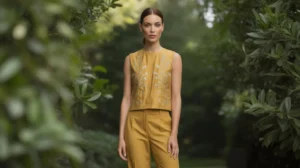
Today, trousers are standard attire for women in virtually all settings. From casual jeans to professional suits, pants represent freedom, equality, and comfort. Modern fashion celebrates versatility, with countless styles, materials, and designs catering to all occasions.
Technological innovations in textiles allow fabrics to stretch, wick moisture, and provide durability, enhancing comfort. Designers like Zuhoor continue the tradition of blending style with practicality, offering women modern Embroidered Edge Denim options and tailored trousers suitable for work or casual wear.
Fashion and societal norms now recognize that clothing is a choice, not a restriction. Women can select trousers for convenience, style, or expression, highlighting how far women in pants have come since ancient times.
When Were Trousers Invented?
To understand when women started wearing pants, it helps to know when trousers were invented. The earliest known trousers date back to around 1000 BCE, worn by horseback-riding nomads in Central Asia. These pants were practical for riding and combat, not fashion.
Europe and the Americas adopted trousers much later. The 19th century formalized men’s trousers, and only after that did women begin experimenting with them. Early inventions focused on utility, and women gradually adopted trousers for work, mobility, and style.
Cultural Impact and Gender Norms
The adoption of pants by women challenged deeply entrenched gender norms. Clothing became a symbol of autonomy and equality. By wearing trousers, women questioned societal expectations, demonstrating that functionality could coexist with femininity.
In modern times, pants for women no longer provoke debate. They represent freedom of choice and practical design. Brands like Zuhoor continue to innovate, offering ladies in pants styles that honor both historical significance and contemporary fashion.
Conclusion
Women’s journey to widespread pants adoption is a story of resilience, practicality, and changing cultural norms. From ancient nomads to Amelia Bloomer, from Hollywood icons to workplace pioneers, the evolution of trousers for women reflects broader social change.
So, when did women start wearing pants? The answer spans centuries, starting in practical settings and culminating in the modern acceptance we see today. Pants are no longer a symbol of defiance; they are a statement of choice, empowerment, and style. Zuhoor celebrates this legacy by offering modern, stylish options for women who value both comfort and design. To explore our latest collections and find the perfect trousers for your style, contact us today.
FAQs
Who was the first woman to wear pants publicly?
Amelia Bloomer is often credited with popularizing the first widely recognized women’s pants style in the 1850s.
Were trousers considered scandalous for women?
Yes. In the 19th and early 20th centuries, many societies considered pants inappropriate for women, and some laws even prohibited them.
How did Hollywood influence women wearing pants?
Actresses like Katharine Hepburn and Marlene Dietrich showcased pants as stylish, helping normalize women in pants in public life.
What role did World Wars play in popularizing trousers for women?
Women joined factories and military support roles, where pants were necessary for safety and practicality.
Can pants be worn in formal settings today?
Absolutely. Modern pantsuits are accepted in professional, casual, and formal environments worldwide.