

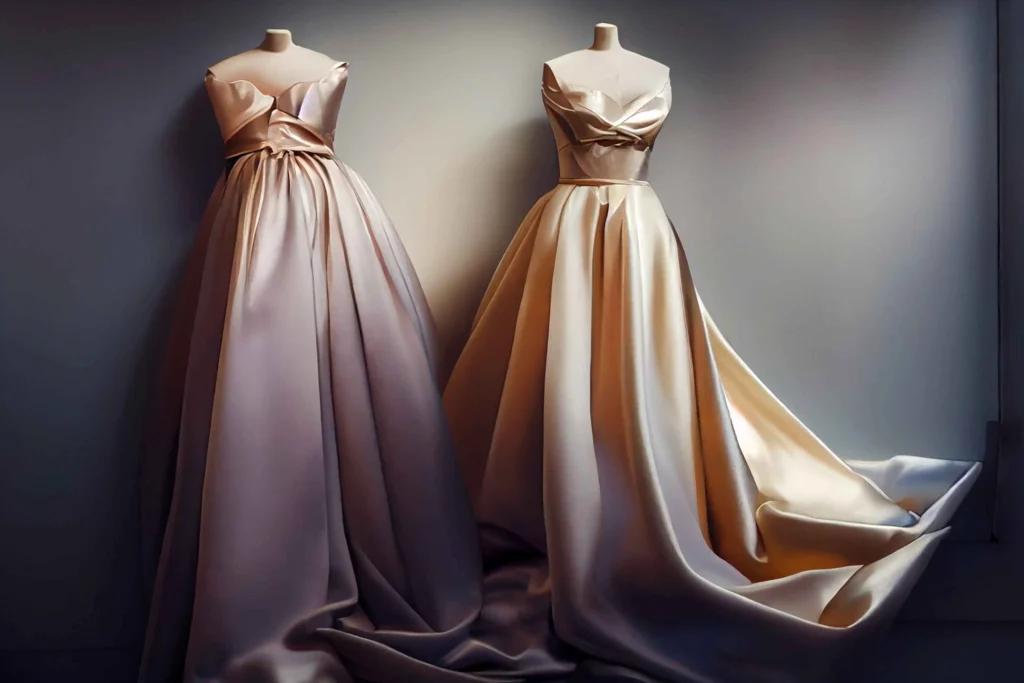
People often use the words dress and frock as if they mean the same thing. In daily talk, that works. In fashion, culture, and shopping, the meaning can shift. This confusion can lead to wrong buys, unclear style choices, or mixed expectations.
So, What Is the Difference Between a Dress and a Frock? The short answer is this. A dress is a broad term for a one-piece outfit worn by women of all ages. A frock is a type of dress with deeper roots in tradition, age, and region. The details matter, and this guide explains them in clear terms.
Definition of Dress

A dress is a one-piece garment that covers the torso and extends down over the legs. It can be short, long, tight, loose, formal, or casual. The word dress works as an umbrella term in modern fashion.
In most English-speaking countries, a dress can describe almost any single-piece outfit worn by women. This includes evening gowns, summer dresses, office wear, party outfits, and casual home styles.
Key traits of a dress
- Worn as a single piece
- Comes in many lengths and cuts
- Fits both casual and formal settings
- Used across all age groups
- Common in global fashion language
When people ask about dress vs frock, the word dress usually has a wider meaning. Designers, retailers, and fashion media rely on it because it feels neutral and flexible.
Definition of Frock
A frock is also a one-piece garment, but the word carries more context. It often points to a traditional, classic, or age-specific style. In many regions, a frock suggests something modest, decorative, or youthful.
In South Asia and parts of the UK, frock often refers to dresses worn by girls or women that have a flowy shape. These styles may include pleats, embroidery, or layered fabric.
At Zuhoor, pieces like the Embroidered Elegance Lavender Frock reflect this idea. The focus stays on grace, detail, and cultural charm rather than trend-based fashion.
Common traits of a frock
- Often loose or flowy in shape
- Linked with tradition or formal craft
- Common for children or festive wear
- More regional in usage
- Rich in fabric detail and design
If you ask what is a frock, the best answer depends on where and how the word is used. That context shapes its meaning.
Historical Background
The history behind these words explains much of today’s confusion.
The term frock comes from old European clothing. It once described long outer garments worn by men and women. Over time, the word shifted. It became tied to women’s clothing and later to children’s wear.
Dress followed a different path. It evolved as a general fashion term. By the 20th century, it covered almost every one-piece outfit for women.
How history shaped meaning
- Frock began as a specific garment
- Dress became a broad category
- Industrial fashion favored simpler terms
- Global trade spread the word dress faster
This history helps explain the modern difference between dress and frock. One word narrowed while the other expanded.
Regional Differences
Location plays a major role in how people use these words.
United States
In the US, dress is the standard term. Frock sounds old-fashioned or playful. You might hear it in jokes or children’s wear, but not often in stores.
United Kingdom
In the UK, frocks still appear in fashion talk. It often refers to a nice or formal dress. Older generations use it more than younger ones.
South Asia
In countries like Pakistan and India, frock is widely used. It often means a long, flowy outfit for girls or women. Dress may refer to Western styles, while frock suggests a local or festive design.
These differences strongly affect frock and dress difference in global fashion.
Contextual Differences in Daily Use
Words change meaning based on setting.
In casual talk, people may say dress and frock without thinking. In shopping, culture, or design, the choice of word sends a message.
Social context
- Dress feels modern and neutral
- Frock feels classic or sweet
- Dress suits work and travel
- Frock suits events and tradition
This is why understanding What Is the Difference Between a Dress and a Frock matters. The word you choose shapes expectations.
Design and Style Differences
While both are one-piece garments, design details often differ.
Dress design traits
- Clean cuts
- Trend-based shapes
- Simple or bold styles
- Used for many occasions
Frock design traits
- Flared or layered skirts
- Decorative stitching or embroidery
- Soft, graceful movement
- Focus on elegance over trends
These traits explain much of the dress vs frock debate in fashion design.
Age Association and Usage
Age plays a quiet role in naming. Frock often links to younger wearers. Many parents say frock when shopping for girls. Dress feels more adult and universal.
This does not mean adults cannot wear frocks. It only shows how language habits form over time. Understanding this helps clarify what is a frock beyond just fabric and cut.
Cultural Meaning and Symbolism
Clothing words carry emotional weight.
Dress often feels modern, global, and flexible. Frock feels personal, cultural, and warm. In many families, the word frock ties to childhood memories or festive events.
These emotions shape how people see the difference between dress and frock beyond fashion rules.
Key Differences Between a Dress and a Frock
Below is a clear comparison to settle the question once and for all.
Dress
- Broad fashion term
- Used worldwide
- Fits casual and formal wear
- Common in modern retail
- Neutral tone
Frock
- More specific meaning
- Strong regional use
- Often traditional or festive
- Linked with detail and craft
- Emotional and cultural tone
This side-by-side view highlights the true frock and dress difference without confusion.
Choosing the Right Term When Shopping Online
Using the right word helps buyers and sellers.
If you sell modern styles, the dress fits better. If you offer detailed, cultural, or festive wear, frocks may connect more deeply with buyers.
Brands like Zuhoor use this clarity to guide customers. Naming a product well improves trust and reduces returns.
Why This Difference Still Matters Today
Some people think the terms no longer matter. They do.
Language guides search behavior, buying intent, and style choices. Clear naming also helps content rank better and reach the right audience.
That is why guides on What Is the Difference Between a Dress and a Frock continue to help readers.
Conclusion
The difference between a dress and a frock is not about right or wrong. It is about meaning, culture, and use. A dress is a wide, modern term. A frock is more specific, often traditional, and deeply regional.
Knowing this helps you shop smarter, speak clearly, and choose styles that fit your needs. Fashion words shape how we see clothes, and clarity always adds value. If you need help choosing the right style or have questions about our collections, contact us and our team will be happy to guide you.
FAQs
Is a frock the same as a dress?
No. A frock is a type of dress, but not all dresses are frocks. The difference depends on style, culture, and usage. A dress is a broad fashion term, while a frock usually refers to a more specific, traditional, or age-related style.
What is a frock used for today?
Today, a frock often refers to traditional, festive, or semi-formal wear. It is commonly used for girls’ clothing and cultural outfits, especially in South Asia and the UK. Many frocks feature flowy designs, decorative details, and classic tailoring.
Can adults wear frocks?
Yes. Many women wear frocks for formal gatherings, cultural events, and celebrations. Adult frocks are designed with elegant cuts, rich fabrics, and refined details that suit mature styles while still offering comfort.
Why do people say dress vs frock?
People compare dress vs frock to understand differences in cultural meaning, design, and regional usage. The comparison helps shoppers, designers, and writers choose the right term based on audience and style.
Which term should I use online?
Use dress when targeting a global or modern audience, as it is widely understood. Use frock when the design is traditional, festive, or culturally specific, or when speaking to regions where the term is commonly used.